Cross Stitch Border Embroidery Design Review
As a designer who spends half my life staring at stitch charts and the other half troubleshooting tension issues on vintage machines, I don’t just buy embroidery files; I vet them. The market is flooded with digital assets, but few have the structural integrity or aesthetic charm to survive the transition from screen to fabric. That is why I took Cross Stitch Border Embroidery Design for a serious test run. This isn’t just another decorative clipart vector converted poorly into .pes or .dst format. It is a Folk ornament pattern that claims to bring a specific mood to your work, and after putting it through its paces in several real-world scenarios, I am ready to share whether this Borders category standout deserves a spot in your library.
The First Impression: Mood and Visual Personality
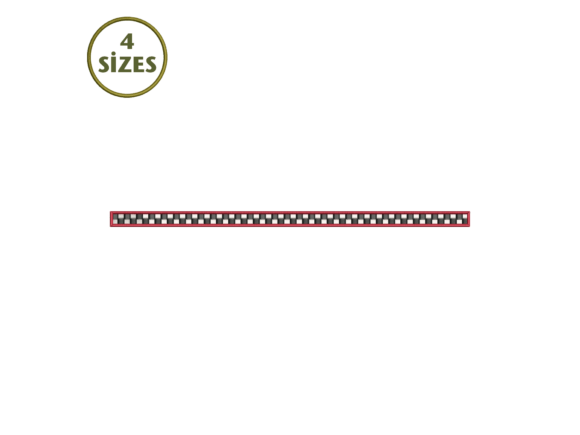
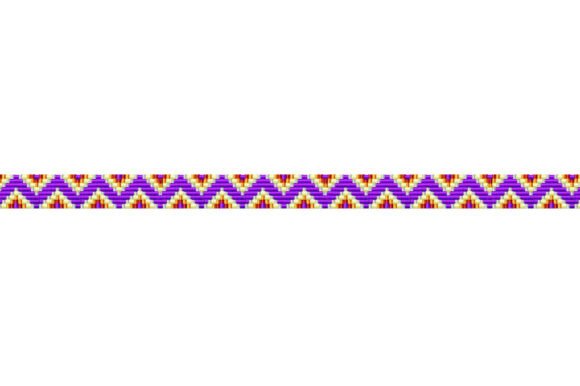
When you first load an embroidery file into your software, you are looking for clarity. Does the design breathe? Does it feel cluttered? The immediate takeaway from Cross Stitch Border Embroidery Design is a sense of grounded, rustic warmth. The description notes that it combines white, gray, black, and other colors, which immediately signals a versatile palette. Unlike overly saturated neon designs that can look cheap on mass-produced goods, this monochromatic-leaning scheme feels sophisticated and timeless.
The visual personality here is distinctly folk-art inspired. It evokes the feeling of handmade heirlooms passed down through generations, yet it is rendered with the precision of modern machine embroidery. For designers targeting the "cottagecore" aesthetic, bohemian boutiques, or minimalist nursery decor, this design hits the right emotional notes without being cliché. It doesn’t scream for attention; rather, it frames the rest of your product with quiet confidence. Whether you are working on a tote bag design or a piece of nursery decor, the border acts as a frame that elevates the entire composition.
Real-World Application: From Screen to Stitch
I wanted to see how this machine embroidery design would perform outside of a digital preview. My primary test case was a set of custom linen kitchen towels intended for a local craft fair. Kitchen textiles are unforgiving; they require designs that hold up to frequent washing and heavy use. I digitized the border to span the width of the towel, utilizing the repeating nature of the folk ornament.
The result was striking. The contrast between the white, gray, and black threads created depth that flat printing simply cannot achieve. Because it is a border, it worked perfectly to anchor the central space where I added simple text or a small logo. This is a crucial insight for any Etsy seller or small shop product creator: borders are not just decorations; they are structural elements that define the layout of your handmade product. In this context, Cross Stitch Border Embroidery Design provided a professional finish that made the item look like a high-end boutique gift rather than a DIY project.
I also tested this on a heavyweight cotton canvas for a branded tote bag design. Here, the folk ornament style complemented the rugged texture of the fabric. The interplay of light and shadow on the raised stitches gave the bag a tactile quality that customers love to touch. This is where the design shines—on items where texture is part of the value proposition. If you are selling personalized gifts or custom apparel, the ability to add a textured, intricate border sets your work apart from competitors who rely on simple block lettering.
Performance on Different Garments
While the linen and canvas tests were successful, I also explored its potential on softer garments. On a unisex sweatshirt, the border looked excellent when placed along the hem or cuffs. However, caution is required. When applying this to sweatshirt embroidery, you must ensure the underlay is robust enough to prevent puckering, especially if the fabric is thin or stretchy. The design’s density needs to be balanced against the fabric’s give. For baby embroidery items, such as burp cloths or onesies, the soft color palette is ideal, but you should avoid placing dense stitch areas directly against sensitive skin. A placement on the shoulder strap or the back yoke is often safer and more visually appealing.
Where to Exercise Caution
No design is perfect for every surface. As an experienced reviewer, I must highlight the limitations of Cross Stitch Border Embroidery Design so you don’t waste time and thread. First, consider the hoop size. While borders are generally linear, if your intended product requires a very small hoop, the fine details of the folk ornament might get lost or become difficult to stabilize. Always check the bounding box of the design before committing to a small project.
Secondly, be mindful of curved surfaces like caps or hats. While a border can wrap around a cap, the perspective distortion can make the symmetry of the folk pattern look off if not digitized specifically for curvature. It is better suited for flat surfaces or gently curved items like aprons or pillow covers. Additionally, if you are working with dark fabrics, the white and gray threads will pop beautifully, but you may need to adjust your stabilizer choice to prevent the lighter threads from showing through the weave of thinner materials. Testing on scrap fabric is non-negotiable here.
Practical Designer Notes for Execution
To get the most out of this digital embroidery file, follow these practical steps. First, inspect the stitch density. Folk patterns often mix running stitch for outlines with fill stitch or satin stitch for accents. Ensure your machine can handle the transitions smoothly. If the design includes applique design elements, verify that the cut-away stabilizer is strong enough to support the additional layers.
Thread selection is critical. The design calls for white, gray, and black, but don’t be afraid to experiment. Using a slightly darker gray for the background elements can create a subtle shadow effect that enhances the 3D appearance. Also, always run a test stitch-out on the actual fabric you plan to use. This allows you to check for thread colors contrast and ensure that the fabric texture doesn’t obscure the finer details of the border. If you are planning to sell finished items, confirm the licensing terms regarding commercial use. Even though this is a commercial embroidery asset, the rights to reproduce and sell may vary by provider.
Final Verdict on Value and Appeal
Ultimately, Cross Stitch Border Embroidery Design offers significant value for creators looking to add a touch of artisanal charm to their products. It bridges the gap between traditional folk art and modern machine capabilities. For craft business owners, it provides a versatile tool that can be used across multiple product lines—from kitchen towels to wedding gifts. The design’s adaptability means it can serve as a standalone statement piece or a supporting element in a larger composition.
For the creative entrepreneur, the appeal lies in its professionalism. A well-executed border suggests attention to detail, which builds customer trust and enhances brand consistency. When a buyer sees a neatly stitched, thoughtfully designed border on a handmade product, they perceive higher value. This is particularly true for holiday embroidery items, where consumers are willing to pay a premium for items that look festive yet refined.
In conclusion, this is a solid addition to any design assets library. It performs well on a variety of textiles, creates a warm and inviting mood, and holds up to the rigors of real-world use. Just remember to respect the fabric’s properties and test thoroughly. If you do, Cross Stitch Border Embroidery Design will likely become one of your go-to choices for adding that extra layer of polish to your embroidery project.