Bee Machine Embroidery Design Review
As an experienced embroidery designer who spends countless hours testing digital files for both personal projects and commercial client orders, I approach every new download with a mix of excitement and skepticism. Recently, I came across the Bee Machine Embroidery Design on Creative Fabrica, and it immediately caught my eye for its potential in seasonal collections. The product description promises a "sweet touch of spring" with clean stitching and smooth fills, but as someone who knows that a design can make or break a finished product, I needed to see if it held up under real-world conditions.
First Impressions: Visual Appeal and Stitch Personality
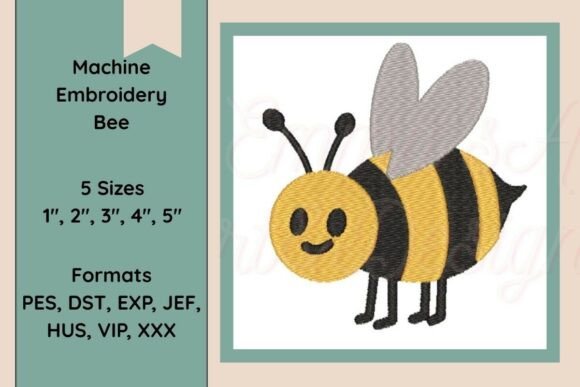
The moment I opened the file preview, the charm of the Bee Machine Embroidery Design was evident. It is not just a generic insect shape; it features a distinct personality with a charming smile that instantly adds warmth to any project. For designers looking to create embroidery pieces that evoke happiness and nostalgia, this cheerful bumble bee hits the mark perfectly. The visual mood is undeniably spring-like, making it an ideal candidate for seasonal merchandise without feeling cliché.
From a technical standpoint, the initial look suggests well-structured vector paths. The description highlights "clean stitching," which usually translates to fewer jumps and trims, a crucial factor when running production runs on a commercial machine. The design appears to balance decorative appeal with structural integrity, avoiding the common pitfall of designs that look good on screen but collapse into a tangled mess once stitched onto fabric. This balance is exactly what you need when creating high-quality handmade products for Etsy or craft fairs.
Real-World Application for Custom Apparel and Home Decor
I often test designs by imagining them on specific items before committing to a full production run. The Bee Machine Embroidery Design feels versatile enough to work across a wide range of categories. Its size and detail level suggest it would shine brightly on small hoop applications like tote bag design accents, where a cute bee adds a playful touch to canvas or cotton bags.
For those selling custom apparel, this design could be a star item. Imagine placing this cheerful bee on the pocket of a denim jacket, the chest of a soft sweatshirt, or even the bib of a baby onesie. The smooth fills mentioned in the product details imply that it will lay flat against curved surfaces, reducing the risk of puckering on sweatshirt embroidery. Furthermore, its bright and friendly aesthetic makes it perfect for nursery decor, such as pillow covers or wall hangings, where parents are looking for gentle, nature-inspired themes.
In the realm of home goods, the design fits naturally onto kitchen towels or aprons. A small embroidered bee can elevate a simple white towel into a unique gift. For sellers creating digital embroidery files or mockups, this asset provides a strong visual hook for product photography, helping to capture customer attention in crowded online marketplaces.
Practical Considerations for Commercial Embroidery
While the design looks promising, using it for commercial embroidery requires careful planning regarding stitch density and fabric choice. If you plan to use this for frequent washing items like aprons or baby blankets, understanding the stitch structure is vital. The description mentions "smooth fills," but without knowing the exact stitch count or density provided in the file, it is essential to verify these specs on the Creative Fabrica product page.
When working with stretchy fabrics like jersey or knit caps, the stability of the design becomes paramount. A dense fill pattern might cause distortion on a cap's curved surface, so testing on scrap fabric is non-negotiable. Similarly, if you intend to use this on dark fabric, thread color contrast will determine the visibility of the design. You may need to adjust your thread colors or consider adding a stabilizer layer to ensure the bee stands out clearly.
For smaller details, such as the bee's antennae or eyes, the quality of the satin stitch is critical. If the file contains tiny lettering or very fine lines, they might disappear on textured fabrics like terry cloth or heavy canvas. Always inspect small details after stitching to ensure they remain crisp. If the design includes applique elements, the cutting and placement instructions must be precise to maintain the professional look expected by buyers of embroidered patches.
Maximizing Product Value and Brand Consistency
A well-executed machine embroidery design does more than just decorate fabric; it builds trust. When a customer receives a tote bag or a personalized gift with a flaw-free bee motif, it signals that the maker cares about quality. The Bee Machine Embroidery Design, with its clean lines and happy expression, contributes to a brand image that is approachable and creative. This consistency is key for small business owners aiming to build a loyal following on platforms like Etsy.
Furthermore, the design's versatility allows for creative storytelling. You could pair it with other spring-themed assets to create a cohesive collection, enhancing the perceived value of your shop. Whether you are creating a single personalized gift or a batch of boutique merchandise, the visual appeal of this bee can drive engagement and sales. However, remember that the final result relies heavily on your execution, including proper hooping, stabilizer selection, and thread tension.
Essential Tips Before You Start Stitching
Before incorporating the Bee Machine Embroidery Design into your next project, follow these practical steps to ensure success:
- Test on Scrap Fabric: Always run a test stitch on a scrap piece of the same material you plan to use. This helps identify potential issues with puckering or thread breaks.
- Check Thread Color Contrast: Ensure the chosen thread colors pop against your fabric background. Dark bees on dark fabric may require a light underlay or different thread shade.
- Review Stitch Density: Look at the file details to confirm the stitch density. High-density areas on lightweight fabric can lead to stiffness or distortion.
- Confirm Hoop Size: Verify that the design fits within your intended hoop size. If the design is too large for a standard 4x4 hoop, you may need to split the embroidery or use a larger frame.
- Use Proper Stabilizer: Select the right stabilizer (cut-away, tear-away, or sticky) based on the fabric type to prevent shifting during stitching.
- Inspect Licensing: Before selling finished items, carefully read the license terms on the Creative Fabrica product page to ensure you have the rights for commercial use.
The Bee Machine Embroidery Design offers a delightful opportunity to add a touch of whimsy to your portfolio. With its clean aesthetic and cheerful character, it is well-suited for everything from baby blankets to custom hats. By approaching the digitization and stitching process with care and attention to detail, you can transform this digital asset into a stunning finished product that customers will love. Whether you are a seasoned pro or a beginner looking to expand your design assets, this bee is certainly worth considering for your next spring collection.