Cross Stitch Flower Embroidery Design Review
As a designer who spends more time looking at stitch density and thread contrast than I care to admit, I am always skeptical when a digital file promises "classic" aesthetics. In the world of machine embroidery, achieving the look of hand-stitched cross-stitch is a balancing act between technical precision and artistic charm. I recently evaluated the Cross Stitch Flower Embroidery Design with a practical eye, testing how it translates from screen to fabric. My goal was not just to see if it stitches well, but to determine if it has the commercial viability and aesthetic depth required for real-world projects, from custom apparel to boutique merchandise.
First Impressions: The Visual Personality
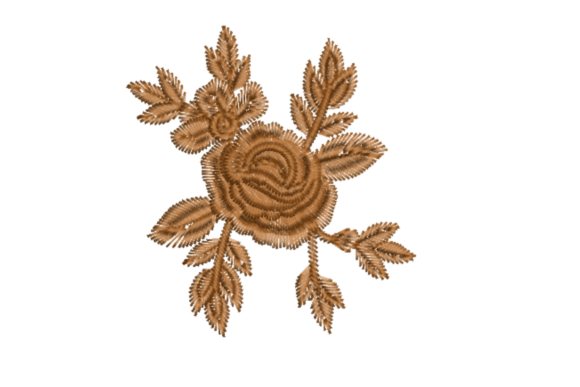
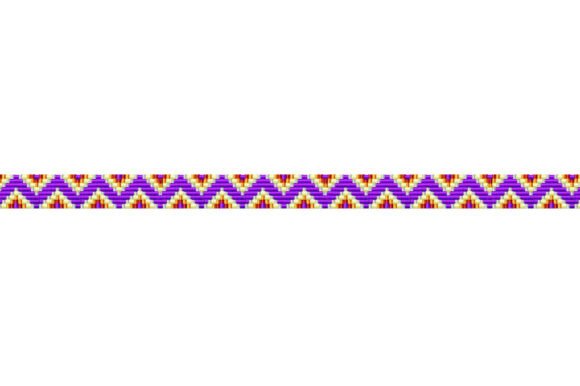
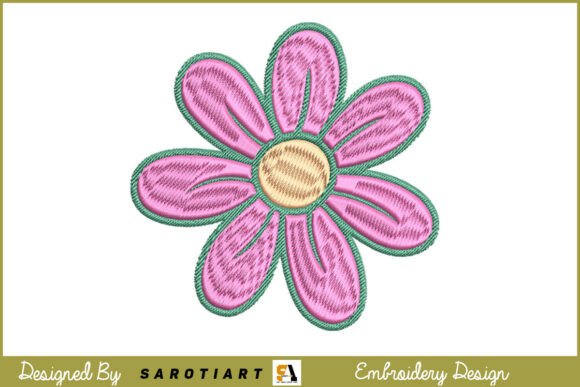
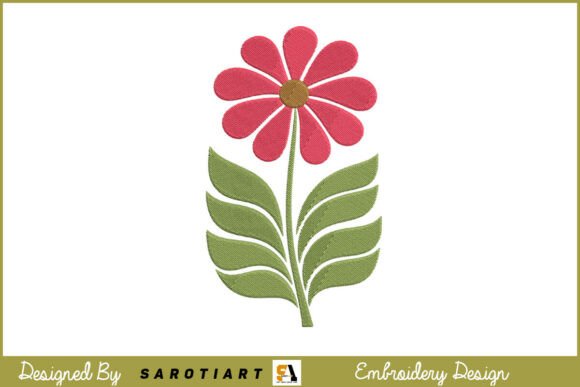
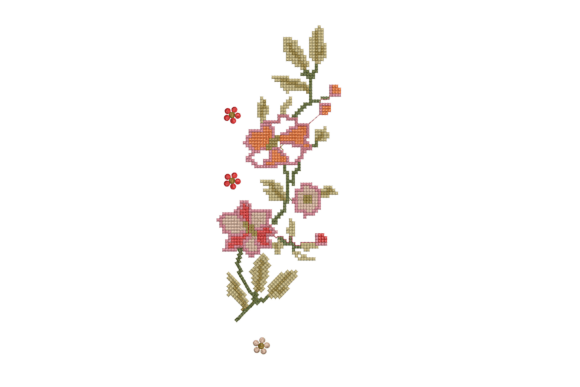
The moment you load this embroidery file, the most striking feature is its clarity. Many floral designs suffer from muddled centers or overly dense fill stitches that lose their shape on smaller hoops. This design, however, maintains a clean, geometric integrity typical of classic cross-stitch patterns. The flower motif feels balanced and grounded, avoiding the airy, sparse look that can sometimes plague minimalist designs. It carries a cozy, rustic warmth that immediately suggests specific use cases.
The visual personality here is approachable yet polished. It does not scream for attention with neon threads or complex 3D effects; instead, it relies on the timeless appeal of a well-executed floral pattern. For an Etsy seller or small shop product creator, this is a significant advantage. Customers often gravitate toward designs that feel handmade and authentic, even when produced via machine. This design bridges that gap effectively, offering the consistency of machine work with the heart of a craft project.
Real-World Application: From Concept to Finished Product
To truly judge an embroidery project, you have to imagine it on a physical item. Let’s consider a scenario: preparing a batch of custom embroidered tote bags for a local craft fair. You want something that appeals to a broad audience—students, professionals, and gift-givers alike. The Cross Stitch Flower Embroidery Design fits this bill perfectly. Its structured petals and clear lines remain legible even on canvas or heavy cotton blends commonly used for tote bag design applications.
I also envision this design shining in the realm of home decor. A pillow cover featuring this floral motif would add a touch of farmhouse chic to any living space. The design’s symmetry works well centered on larger items like throw blankets or nursery wall art. Furthermore, for those selling personalized gifts, such as baby onesies or christening gowns, the softness implied by the cross-stitch style is gentle and appropriate. It avoids the harshness of some modern graphic designs, making it a safer choice for delicate baby embroidery projects.
In the context of commercial embroidery, versatility is key. This design can be adapted for various products without losing its impact. Imagine it stitched onto the pocket of a denim jacket or the cuff of a sweatshirt. The sweatshirt embroidery market is saturated, but a well-placed floral accent using this style can elevate a basic garment into a premium item. It adds value through perceived craftsmanship, encouraging higher price points for your handmade product line.
Technical Considerations and Fabric Compatibility
While the design is visually appealing, no designer should skip the technical checks. When evaluating any machine embroidery design, you must consider the substrate. This design performs best on stable, woven fabrics. Cotton, linen, and canvas provide the necessary structure for the cross-stitch effect to hold its shape. If you attempt to stitch this on highly textured fabrics, such as heavy terry cloth or loose-weave burlap, the stitches may pull or distort, ruining the crisp lines that make this design special.
Caution is advised when working with stretchy materials. While you can embroider on knits, they require a stabilizer that matches the fabric's give. Without proper support, the stitch density of this floral pattern might cause puckering, especially around the curved edges of the petals. Always test on scrap fabric first to ensure the tension is correct. Additionally, dark fabrics present a challenge. If the design relies heavily on white or light-colored threads for the background negative space, you may need to add a backing layer or choose a contrasting thread color scheme to maintain visibility.
Another critical factor is hoop size. Because this is a floral design with defined details, stitching it too small can result in lost definition. Tiny corners of the petals may merge together, turning a beautiful flower into a blurry blob. Conversely, stitching it too large might stretch the fabric excessively. Check the recommended hoop size provided by the designer and stick to it. If you are resizing the design, do so carefully and inspect the output for any unintended distortion in the running stitch or fill stitch areas.
Stabilizer and Thread Selection
The success of this project hinges on your preparation. Use a cut-away stabilizer for woven fabrics to provide long-term stability, especially for items that will be washed frequently, such as aprons or kitchen towels. For temporary projects, a tear-away might suffice, but be gentle during removal to avoid pulling the threads. Regarding thread colors, the cross-stitch style benefits from high contrast. If the original file uses subtle shading, consider bolding up the colors for better readability on finished goods. Test your thread colors against your chosen fabric under natural lighting to ensure the final finished product looks as good as the digital mockup.
Commercial Viability and Brand Consistency
For digital product sellers and design assets creators, this design offers strong potential. It fits seamlessly into collections focused on nature, spring, summer, or rustic themes. It can be used in printable mockups to showcase other products, adding a layer of authenticity to your marketing materials. The design’s simplicity makes it easy to brand; it doesn’t overpower logos or text placed nearby, allowing for cohesive custom apparel sets.
However, before listing this as a craft business item, confirm the licensing terms. Some digital embroidery files come with restrictions on commercial use. Ensure you have the right to sell finished products made with this design. Transparency builds trust with your customers, and respecting intellectual property protects your reputation as a professional maker.
Final Verdict
The Cross Stitch Flower Embroidery Design is a reliable, aesthetically pleasing addition to any designer’s library. It excels in projects that benefit from a handmade, rustic charm, such as holiday embroidery gifts, wedding favors, and boutique branding. By paying attention to fabric choice, stabilizer usage, and thread contrast, you can ensure that every embroidered patch or apparel decoration meets high standards of quality. It is a design that respects the craft while embracing modern production methods, making it a smart investment for both hobbyists and serious entrepreneurs looking to expand their small business merchandise offerings.