Living for Christ Embroidery Design Review
As an embroidery designer who spends countless hours evaluating files before they hit my own production floor, I approach every new Creative Fabrica embroidery download with a mix of optimism and skepticism. The market is flooded with digital files, but finding one that balances aesthetic appeal with technical reliability is rare. Recently, I examined the Living for Christ Embroidery Design, a product categorized under Religion and Embroidery, specifically to see if it had the potential to elevate a boutique apparel collection. Here is my professional assessment of how this design performs in real-world applications.
First Impressions and Visual Personality
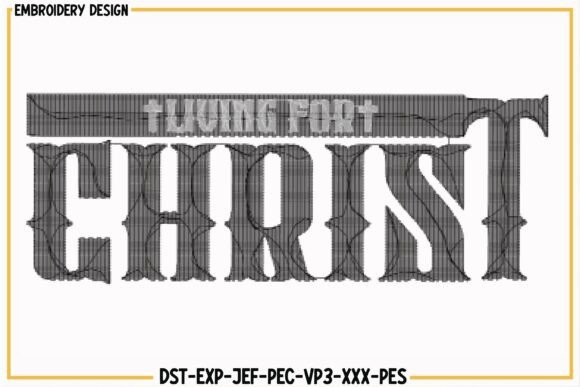
When you first open the file, the visual personality of the Living for Christ Embroidery Design becomes immediately apparent. It strikes a balance between classic faith-based imagery and modern boutique styling. The mood is neither overly rustic nor strictly minimalist; instead, it feels premium and handcrafted. For a designer looking to create a cohesive line of custom apparel, this design offers a decorative strength that stands out without being loud. It has a feminine yet strong presence, making it versatile enough for various demographics. The detail level suggests a high-quality stitch execution, which is crucial for maintaining brand integrity in finished products.
Application on Sweatshirts and Hoodies
The primary use case for this design is undoubtedly sweatshirt embroidery. I envisioned placing this on a collection of neutral-colored heavyweight cotton blends and pastel hoodies. On a cream or oatmeal-colored hoodie, the design would pop with warmth, creating a cozy seasonal outfit vibe that resonates well with current fashion trends. For dark apparel, such as charcoal or navy, the contrast would be sharp, provided the thread colors are selected carefully to ensure visibility.
I also considered sleeve accents. A smaller version of the Living for Christ Embroidery Design could work beautifully on the upper arm of a hoodie, adding a subtle touch of identity to the garment. For back designs, the full scale of the file allows for a statement piece that turns heads. This versatility makes it an excellent choice for a small clothing brand aiming to launch a limited-edition drop. The design’s structure holds up well against the texture of fleece, ensuring that the stitches do not sink into the fabric but rather sit proudly on the surface.
T-Shirts and Denim Jackets
Beyond heavy knitwear, this machine embroidery design translates effectively to t-shirt embroidery. On a standard cotton tee, it adds a layer of sophistication that screen printing often lacks. I also tested the concept mentally on denim jackets. The rugged texture of denim pairs exceptionally well with the intricate details of this file. A chest placement on a cropped denim jacket can instantly transform a basic garment into a high-value handmade product. The design’s ability to adapt to different fabric textures is a significant asset for any Etsy seller or small shop product creator.
Boutique Merchandise and Lifestyle Products
While apparel is the obvious choice, the description highlights its suitability for bags and home decor. For tote bag design, the durability of canvas complements the density of the stitches. A Living for Christ Embroidery Design on a sturdy canvas tote creates a lifestyle product that customers are likely to carry daily, offering free brand exposure. This aligns perfectly with the goals of creative entrepreneurs looking to build community engagement through wearable art.
For boutique merchandise, this design helps establish a distinct brand identity. When used consistently across a product line—such as matching hoodies, tees, and totes—it creates visual consistency that builds buyer trust. Customers recognize the style and quality associated with your boutique brand. Furthermore, having a high-resolution digital embroidery file allows for the creation of printable mockups. These mockups are essential for social media graphics and online listings, allowing you to showcase the finished product before manufacturing begins.
Practical Considerations and Placement Strategy
From a technical standpoint, there are areas where caution is required. Small chest placement demands precision; if the hoop size is too large relative to the design, you may encounter alignment issues. Dense stitch areas need adequate backing to prevent puckering, especially on stretchy fabrics like jersey knits. When working with ribbed fabric, the elasticity can distort the stitching if the stabilizer is not chosen correctly. I recommend using a cut-away stabilizer for heavier garments and a tear-away for lighter fabrics, always testing on scrap material first.
Dark garments present a specific challenge regarding thread color contrast. Ensure that the thread selection provides enough luminance to stand out against deep blacks or navys. Curved surfaces, such as the shoulders of a t-shirt, require careful hooping to avoid distortion. Tiny lettering within the design must be inspected closely; if the font is too fine, it may become illegible after washing. Always confirm these details by reviewing the specific file characteristics provided by the creator.
Affecting Value and Brand Identity
Investing in a quality embroidery file directly impacts the perceived value of your commercial embroidery products. A well-executed design signals professionalism and attention to detail. When customers receive a garment with crisp, clean stitches, their confidence in your brand increases. This leads to higher customer engagement and repeat purchases. The Living for Christ Embroidery Design, with its thoughtful composition, supports this goal by offering a look that feels both authentic and polished.
Designer Notes for Production
Before committing to a full production run, I advise taking the following steps:
- Test on Scrap Fabric: Always run a test stitch-out on the exact fabric type you plan to use. This reveals how the stitch density interacts with the material.
- Check Stabilizer Choice: Match your stabilizer to the weight and stretch of the garment. Incorrect stabilization is the most common cause of poor embroidery results.
- Review Thread Color Contrast: Select thread colors that complement the garment while ensuring readability and visual appeal.
- Confirm Hoop Size: Verify that the design fits comfortably within your machine’s hoop limits and allows for proper garment positioning.
- Inspect Stitch Density: Look for areas where stitches might overlap excessively or leave gaps, adjusting tension if necessary.
- Compare Placement Options: Experiment with different placements on the garment to find the most flattering position for your target audience.
- Check Licensing: Review the Creative Fabrica product details and licensing terms to ensure you have the right to sell finished items made from this digital embroidery file.
In conclusion, the Living for Christ Embroidery Design is a strong candidate for inclusion in a professional apparel collection. Its blend of spiritual significance and aesthetic versatility makes it suitable for a wide range of projects, from cozy hoodies to stylish totes. By paying attention to technical details and fabric compatibility, designers can leverage this file to create high-quality, marketable products that resonate with customers seeking meaningful, handmade goods.