Floral Giraffe Embroidery Pattern Review
As an embroidery designer who spends hours refining digitized files for clients, I am always looking for designs that balance artistic charm with technical reliability. When I first encountered the Floral Giraffe Embroidery Pattern on Creative Fabrica, it immediately caught my eye. It is not just another animal silhouette; it is a carefully composed piece of art that feels ready for real-world application. In this review, I will break down how this design performs as a machine embroidery design, its suitability for various handmade products, and what you need to consider before stitching it out for commercial use.
First Impressions: Visual Mood and Detail Level
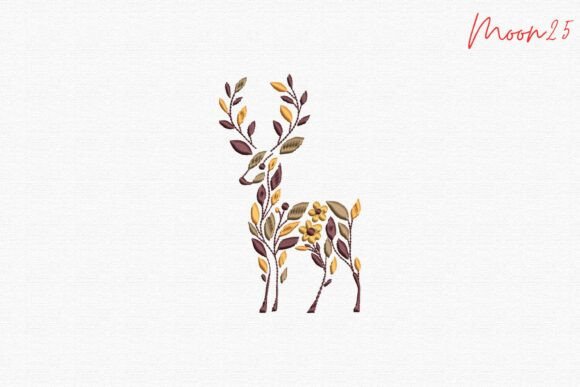
The Floral Giraffe Embroidery Pattern stands out because of its intricate internal structure. Rather than a solid fill, the giraffe’s silhouette is filled with elegant leaves, branches, and soft botanical details. This approach creates a calm and artistic mood that appeals to buyers looking for nursery decor, baby gifts, or sophisticated home accents. The warm natural tones suggested by the design lend themselves well to earthy color palettes, making it versatile for seasonal projects like autumn harvest themes or spring baby showers.
From a designer’s perspective, the transition between the giraffe outline and the internal floral elements is crucial. If the digitization is clean, the design will stitch smoothly without excessive thread breaks. The graceful shape suggests a medium-density fill, which typically results in a professional finish on fabrics like cotton, linen, or light denim. However, the presence of delicate leaf details means that thread choice and fabric stability are paramount to maintaining the design’s integrity.
Real-World Project Applications
I evaluated this embroidery file across several common product categories to see where it fits best. Here is how it performed in practical scenarios:
- Tote Bags and Canvas Totes: The tote bag design potential is high. The botanical theme pairs beautifully with neutral canvas colors. The giraffe motif adds a whimsical touch that appeals to parents and nature lovers alike. For a boutique merchandise item, this design elevates a basic tote into a statement piece.
- Baby Items and Nursery Decor: Given the gentle aesthetic, this is an excellent candidate for personalized gift items such as baby blankets, burp cloths, or muslin swaddles. The soft lines work well on lightweight fabrics, provided the stabilizer is removed cleanly to keep the fabric soft.
- Custom Apparel: On sweatshirt embroidery projects, the design can serve as a focal point on the chest or back. The contrast between the structured giraffe outline and the organic leaf fills creates visual interest against textured fleece or jersey knits. It also works well on aprons for kitchen use, adding a homey feel.
- Caps and Patches: While the design is charming, curved cap surfaces require careful hooping. The detailed interior might become lost if the hoop size is too small relative to the curvature. However, as an embroidered patch intended to be sewn onto a flat surface like a backpack or denim jacket, it offers high visual appeal.
Technical Considerations for Stitching Success
Before incorporating this digital embroidery file into your production line, there are several technical factors to address. As an experienced designer, I cannot stress enough the importance of testing.
Hoop Size and Stitch Density
The first step is to confirm the hoop size. If the design is large, ensure your machine can accommodate it without multiple re-hooping, which can misalign the pattern. Pay close attention to the stitch density. Designs with dense fill stitches, such as those used for the giraffe’s body or thick branches, require stable fabric and appropriate stabilizer backing. If the density is too high for a lightweight knit, the fabric may pucker. Conversely, if the running stitch details for the leaves are too sparse, they may look thin on dark fabrics.
Fabric and Stabilizer Choices
The choice of stabilizer is critical. For stretchy fabrics like sweatshirts or caps, a cut-away stabilizer is often necessary to prevent distortion over time. For woven fabrics like tote bags or kitchen towels, a tear-away may suffice, but always test first. When working with dark fabric, consider using a lighter thread color for the background fill or adding a layer of white underlay to make the colors pop. The warm tones of the design will shine best when the thread colors complement the base material.
Detail Inspection
After stitching, inspect the small details. The leaves and branches must remain distinct. If the threads bleed together, the design may lose its elegance. This is particularly important for printable mockups and product photography, where clarity sells the product. Blurry details can reduce buyer trust and perceived value.
Impact on Product Value and Branding
Using a high-quality design asset like the Floral Giraffe Embroidery Pattern directly impacts your brand consistency. Customers associate neat, well-executed embroidery with quality craftsmanship. A design that looks professionally digitized enhances the perceived value of your handmade product.
Furthermore, the unique botanical style helps differentiate your offerings in crowded marketplaces like Etsy. Instead of generic animal shapes, you are offering a piece of art. This uniqueness supports higher price points and encourages customer engagement through social media shares. Buyers love sharing photos of their new baby blankets or stylish totes, effectively marketing your shop for free.
Final Verdict and Licensing Reminder
The Floral Giraffe Embroidery Pattern is a strong addition to any embroidery file library, particularly for designers focusing on nursery, home decor, or nature-themed apparel. Its combination of grace and detail makes it suitable for a wide range of commercial embroidery projects.
However, before purchasing or using this design for resale, please remember to:
- Check the specific license terms on the Creative Fabrica product page to ensure you are permitted to sell finished items.
- Review the file details for recommended formats and hoop sizes.
- Always stitch out a test sample on your actual production fabric to verify tension, density, and appearance.
By taking these precautions, you can confidently offer this beautiful design to your customers, knowing it meets the high standards expected in the handmade community.