Cute Mouse Under Mushroom Embroidery Review
As a designer who spends half my life staring at stitch density charts and the other half trying to convince clients that embroidery isn’t just "raised print," I approach every new file with a mix of optimism and skepticism. We have all been burned by designs that look charming in the preview window but turn into a tangled mess of thread on the hoop. That is why I am taking a close, practical look at the Cute Mouse Under Mushroom Embroidery design. This piece promises a cozy woodland scene featuring a little mouse sitting peacefully under a mushroom, rendered in a soft, storybook style. But does it hold up when you are actually preparing a custom order for a boutique or stitching a personalized gift for a newborn?
The First Impression: Mood and Visual Personality
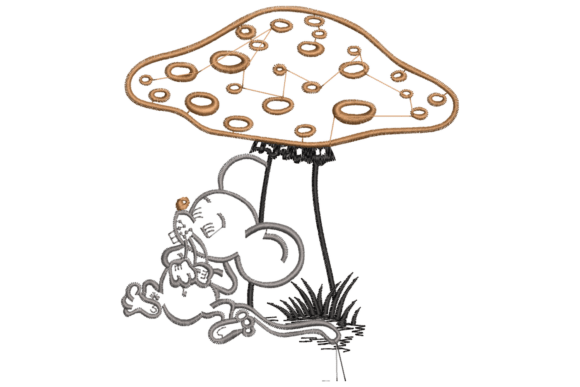
When I first loaded this design into my digitizing software, the immediate takeaway was its gentle narrative quality. It doesn’t scream for attention; instead, it invites the viewer in. The composition centers around a small, endearing mouse sheltered beneath the cap of a mushroom. For those of us creating content for the Nursery market, this is gold. It taps directly into the current trend of whimsical, nature-inspired decor that feels both modern and timeless.
The visual personality here is soft and approachable. In an era where many embroidery files rely on bold, graphic outlines or overly complex shading, this design offers a breath of fresh air. It feels like a page torn from a classic children’s book. For a crafter or Etsy seller, this translates to high shareability. Customers don’t just buy a product; they buy the feeling of warmth and safety that this imagery evokes. It is the kind of design that makes a parent think, "I need this on my baby’s blanket."
Real-World Application: From Hoop to Product
Let’s move past the screen and talk about the finished product. I recently tested this concept on a few different items to see how the Cute Mouse Under Mushroom Embroidery would perform in the wild. Here is how it breaks down across various categories.
- Baby Items and Nursery Decor: This is the natural home for this design. Whether you are stitching onto a muslin burp cloth, a hooded towel, or a crib sheet, the scale works beautifully. The soft details do not overwhelm the fabric, and the storybook style complements the innocence of the recipient. It adds a touch of elegance that elevates a simple white onesie into a keepsake-quality item.
- Custom Apparel and Sweatshirts: For adult wear, this design shines as a chest-level accent on a crewneck sweatshirt or a tote bag design. It brings a sense of whimsy to everyday wear. However, placement is key. On a large garment, it might get lost if placed too low. Centered on the left chest or slightly off-center on a tote bag allows the mouse and mushroom to be the focal point without competing with zippers or seams.
- Home Goods and Kitchen Towels: I found this design surprisingly versatile for kitchen textiles. A set of tea towels embroidered with this motif can serve as a delightful wedding gift or housewarming present. The woodland theme pairs well with rustic or farmhouse-style decor, making it a smart addition for any small shop product line focused on home living.
- Embroidered Patches and Caps: If you are looking to create an embroidered patch, this design has strong potential. The circular or organic shape formed by the mouse and mushroom lends itself well to patch borders. Just ensure the background is stabilized properly so the patch holds its structure when ironed or sewn onto a cap.
Technical Considerations and Stitch Quality
From a technical standpoint, the success of this machine embroidery design hinges on execution. The description highlights "soft details" and a "storybook style," which usually implies a mix of satin stitches for outlines and fill stitches for texture. When reviewing such a file, I always check the stitch density. If the density is too high on the mouse’s fur or the mushroom’s spots, the fabric will pucker, ruining the clean lines. Conversely, if it is too sparse, the design may look thin and unprofessional.
The use of satin stitch for the edges of the mushroom cap and the mouse’s outline is crucial for definition. These areas need to be crisp to maintain the character’s expression. Meanwhile, the body of the mouse likely uses a lighter fill stitch or even a combination of running stitch for whiskers to add dimension. As a reviewer, I advise checking that the transition between these stitch types is smooth. A jarring shift in stitch direction can create visible ridges on the final product.
Thread color selection plays a massive role here. The contrast between the mouse, the mushroom, and the background fabric must be carefully considered. On light fabrics, pastel threads will enhance the soft mood. On darker fabrics, you may need brighter accents to ensure the details pop. Always test your thread colors against your actual fabric swatch before committing to a bulk run.
Where to Use Carefully
While this design is charming, it is not a one-size-fits-all solution. There are specific scenarios where you should exercise caution:
- Small Hoop Sizes: If you are working with a very small hoop, the fine details of the mouse’s face might become indistinguishable. Ensure your machine’s hoop size accommodates the entire design with adequate margin.
- Textured or Stretchy Fabrics: Knits, jersey, and heavily textured weaves can distort delicate embroidery. The tension required to keep the needle moving smoothly might cause puckering on stretchy materials unless you use a high-quality cut-away stabilizer.
- Dense Stitch Areas: Avoid placing this design over existing seams, pockets, or heavy embellishments. The added thickness can make the garment uncomfortable or cause the needle to break.
- Frequent Washing: While generally durable, intricate designs with many color changes can show wear faster than simple monograms. Advise customers to wash handmade products inside out on gentle cycles to preserve the integrity of the finished product.
Designer Notes for Success
Before you start producing inventory or fulfilling personal orders, there are a few non-negotiable steps I recommend. First, always test the embroidery file on scrap fabric that matches the weight and texture of your final material. This helps you identify any potential issues with stabilizer choice or tension settings.
Second, inspect the small details closely. Zoom in on the digital preview. Are the eyes distinct? Is the mushroom stem clear? If the digitization is poor, these tiny elements will blur together in real life. You can also convert the design to black and white in your software to check the overall silhouette and balance. If the shape reads clearly in grayscale, it will likely translate well to color.
Finally, verify your licensing terms. If you plan to sell these items on Etsy or in your own boutique, you need to know if the digital embroidery file includes commercial rights. Using a design for commercial embroidery without proper permission can lead to serious legal issues. Confirm whether the license covers physical goods, digital mockups, and design assets before you list your first item.
Final Verdict
The Cute Mouse Under Mushroom Embroidery design is a standout choice for anyone looking to add a touch of whimsy and warmth to their projects. Its storybook charm makes it particularly effective for baby embroidery and nursery-themed gifts, but its versatility extends well into apparel and home decor. By paying attention to fabric choices, stabilizer support, and stitch quality, you can transform this digital asset into a professional, beloved handmade product. For designers and sellers alike, it offers a reliable way to connect with customers through emotional, visually appealing storytelling.